Reading help that finally feels right.
Step-by-step reading sessions for kids ages 5–10 who guess at words, avoid pages, or are worried they aren’t smart. They are. Whether it’s dyslexia or reading that hasn’t clicked yet. No diagnosis required.
 sh makes one sound, /sh/. Try the word again.
- Ages 5–10
- Nothing to install
- Your child reads solo
- A plain note after every session
What happens when a word goes wrong?
Honey Root stops at the word and teaches the sound behind it. Every struggling reader hits this moment dozens of times a day, and what happens next is the whole product.
She reads sip for ship and keeps going. Most apps would keep going too.
Honey Root stops at the word and gives an actual step: sh makes one sound, /sh/.
She reads it again herself: ship. That sound stays on her practice list until it holds.
Your kid says reading is hard. Or boring. Or “for other kids.”
You’ve been told to wait it out, told it’ll click, told a hundred small things that haven’t worked. You’re tired of it not working — and you’re not wrong to be.
None of this is your kid’s fault. It isn’t yours either. What failed was the wait-and-see advice. One thing worth knowing as you decide what to do next: in one careful study, reading help in first and second grade produced roughly double the gains of the same help started in third (Lovett and colleagues, 2017). Whatever grade your kid is in, right now is a good time to start.
Why haven’t the other apps worked?
Typical reading apps move kids along. Next book, next level, whether or not the skills underneath are solid. For a kid who’s already struggling, that’s how gaps quietly grow.
Honey Root doesn’t move kids along. It teaches. Explicitly, step by step, each skill solid before the next is built on top of it. That’s the level of instruction a kid with dyslexia needs, and every struggling kid deserves.

Three things, every session.
It listens
Your child reads real stories out loud, solo. Honey Root follows along word by word.
It teaches
When a word goes wrong, it teaches the sound behind it, then listens while your child reads it again, themselves.
It grows
New skills come only when the current one holds. No racing ahead past gaps.
- Works in the browser, nothing to install
- Your child reads solo. No hovering, no fights
- You see exactly what was practiced, after every session
Tonight, start to finish.
Ten minutes or so, built for your child to run alone. Here is the whole shape of it. For setup, the games and the stories you read together, see how Honey Root works.
A warmup for the ears.
Thirty seconds of hearing the sounds inside words before seeing any letters. That’s the foundation reading is built on.
They pick it, or they invent it.
Tonight’s story can come from the shelf, or your child can build their own: a character, a place, a quest. Either way, the story is built from the sounds and word patterns your child has already learned, so they read by decoding, not by guessing from the pictures.
They read out loud. Bloom listens.
Word by word, the whole story. When a word goes wrong, Bloom stops there, teaches the sound behind it, and listens while your child reads it again.
sh makes one sound, /sh/. Try the word again.One short game round.
After the story, one short game round with the exact sounds your child just met. Build the word pond from its sounds, and a pond appears in Bloom’s garden.
You get the plain version.
A short note after every session, not a dashboard: what was practiced, what clicked, what comes next. Specific enough to bring to a teacher.
Short-a words, and the sh sound.
Maya read tonight’s story on her own. On ship she tried sip, was taught the sh sound, and read it right on her own.
Next up: more sh words, until it holds.
Practice, disguised as play.

Short game rounds built from the exact sounds your child is learning. No points, no streaks, no clocks, no leaderboards. The prize is the word itself: everything your child builds stays readable, on a shelf of their own.
Word Grower
Hear the word, build it from its sounds, and watch it become real in Bloom’s garden. Every word your child grows is a word they can read.
Word Pantry
Spell the word from memory to label the jar. Labeled jars join the pantry shelf, where your child can read them back any time.
Honey Hunt
Send the bee to the flower whose word matches what you heard. Sounds easy, until ship, sip, and chip are all in bloom.
The reading always comes first, and games never move your child ahead on their own. They make the sounds stick.
Some of it is made for the two of you.
A grown-up nearby goes a long way. Honey Root is built so your child can read solo, and so that when you do have ten minutes, it hands you something exact to do with them.
Co-play rounds
The same games, with parts for both of you. You tap the words to hear them; your child does the decoding. Bloom talks to you both.
Read-together stories
You take turns by page. Your pages read like a real book. Theirs are matched to the sounds they’ve been taught so far. As their skills grow, their share of the story grows too.
Three-minute cards
A card for the sound your child is working on right now, with what to say and when to stop. No prep, and never homework for you.
All of it optional. Your child’s session never depends on you being free.
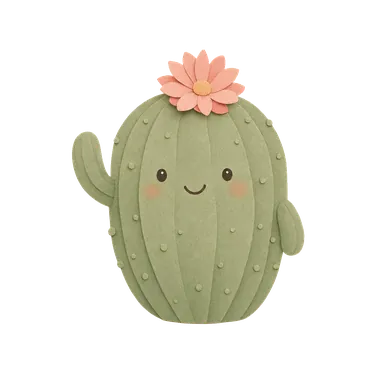
Your child reads with Bloom.
Bloom is a small, friendly cactus who sits with your child through every story. Patient on the tenth try, glad on the first success. No points, no clock.
Why trust it?
Structured literacy, taught step by step
Explicit, step-by-step teaching of how letters map to sounds. It’s an approach the International Dyslexia Association recommends for kids who struggle with reading, including kids with dyslexia.
Built by a parent
Honey Root is built by a parent who reads it with his own kids, most nights. The bar is simple: good enough for theirs, or it doesn’t ship. More about who builds it.
Your child’s data, treated like it matters
Parent-controlled accounts. No ads, ever. We never sell data, and you can delete your child’s data any time.
Honey Root is also an app for phones and tablets.
The app keeps the microphone ready between stories, so your kid taps once and reads. It uses the same account as this site.


Fair questions.
- Is Honey Root really free?
- Yes. Honey Root is in early access, and it’s free while we build alongside our first families. No subscription, no time limit, nothing to cancel. One note: children’s-privacy law (COPPA) requires verified parent consent before a child can use an app like ours. We verify with a quick card check, about fifty cents, automatically refunded within a few days. Nothing stays charged, and your card is never billed for anything else unless you choose it.
- We don’t have a dyslexia diagnosis. Is this still for us?
- Yes. Honey Root is built for kids with signs of dyslexia and for kids whose reading simply hasn’t clicked. No diagnosis required. Good reading instruction looks the same with or without the label, and starting early matters more than naming it first. We don’t diagnose; we find where reading is and start there.
- What ages is it for?
- Ages 5–10. Placement starts from what your child can actually do today, not their grade label. A third grader who missed early skills starts where the gaps are.
- What do we need?
- A tablet, phone, or laptop with a microphone, and a quiet-ish spot. Nothing to install. Most families use an iPad.
- Does my child need me sitting there?
- No. That’s the point. Sessions are built for your child to run on their own: Honey Root listens and steps in when a word goes wrong. Afterward, you get a plain note of what was practiced and what changed. And when you do have ten minutes, there are rounds and stories made for the two of you.
- What does the parent note look like?
- A few plain sentences after every session: what your child practiced, one moment from the reading, and what comes next. For example: “Short-a words, and the sh sound. Maya read tonight’s story on her own. On ship she tried sip, was taught the sh sound, and read it right on her own. Next up: more sh words, until it holds.” No scores and no levels.
- Are the games just more screen-time candy?
- No. Each round is built from the sounds your child is learning right now, and rounds are short by design. There’s nothing to chase. Reading always comes first, and games never move your child ahead on their own.
- What happens to my child’s voice?
- Your child’s reading is used for one thing: running the session. Keeping short clips to make Honey Root better happens only if you say yes during setup, and you can change your mind or delete your child’s data at any time.
- What is structured literacy?
- Structured literacy is explicit, step-by-step teaching of how letters map to sounds, in a planned sequence, alongside reading for meaning. It’s an approach the International Dyslexia Association recommends for kids who struggle with reading, including kids with dyslexia. It’s the opposite of guess-from-the-picture.
- Is Honey Root Orton-Gillingham?
- It’s built on the same principles. Orton-Gillingham is the best-known way of teaching reading like this: explicitly, in a planned order, with each skill practiced until it holds before the next one builds on it. The International Dyslexia Association calls that family of approaches structured literacy, and it’s how Honey Root teaches. Honey Root isn’t a certified Orton-Gillingham program. If your child works with an Orton-Gillingham tutor, think of Honey Root as daily practice alongside that, not a replacement.